Women’s Health Week 2026: Why We’re So Pleased to See ‘Fuel’ as a Theme

This Women’s Health Week, leading organisation Jean Hailes for Women’s Health have selected ‘fuel’ as one of their themes.

And we couldn’t be happier.

It’s always a pleasure to celebrate Women’s Health Week, and to support the women we see in our practice. This year, the five themes for Women’s Health Week (as defined by Jean Hailes for Women’s Health) are:

  1. To FUEL
  2. To MOVE
  3. To REST
  4. To BREATHE, and
  5. To CONNECT
Mind Body Well Women's Health Week 2026

While each of these themes are important, we’re particularly pleased to see fuelling amongst them, and right now this message is even more important than usual. Both in our allied health setting and in the world around us, we’re seeing a lot of significant ‘under-fuelling’: not eating enough to meet your body’s energy needs.

Skinny is back, and across the eating disorder sector we’re acutely aware of the impact of this. The cultural preoccupation with thinness is driving many people toward behaviours which are compromising their health and wellbeing. There’s more focus on fasting than fuelling, which can have serious health impacts, and we’re particularly seeing this amongst women in our communities.

What does ‘fuel’ actually mean when it comes to nutrition?

We asked our Dietitian Emma Ghaly how she thinks about food and fuel, and she provided the following ‘food for thought’:

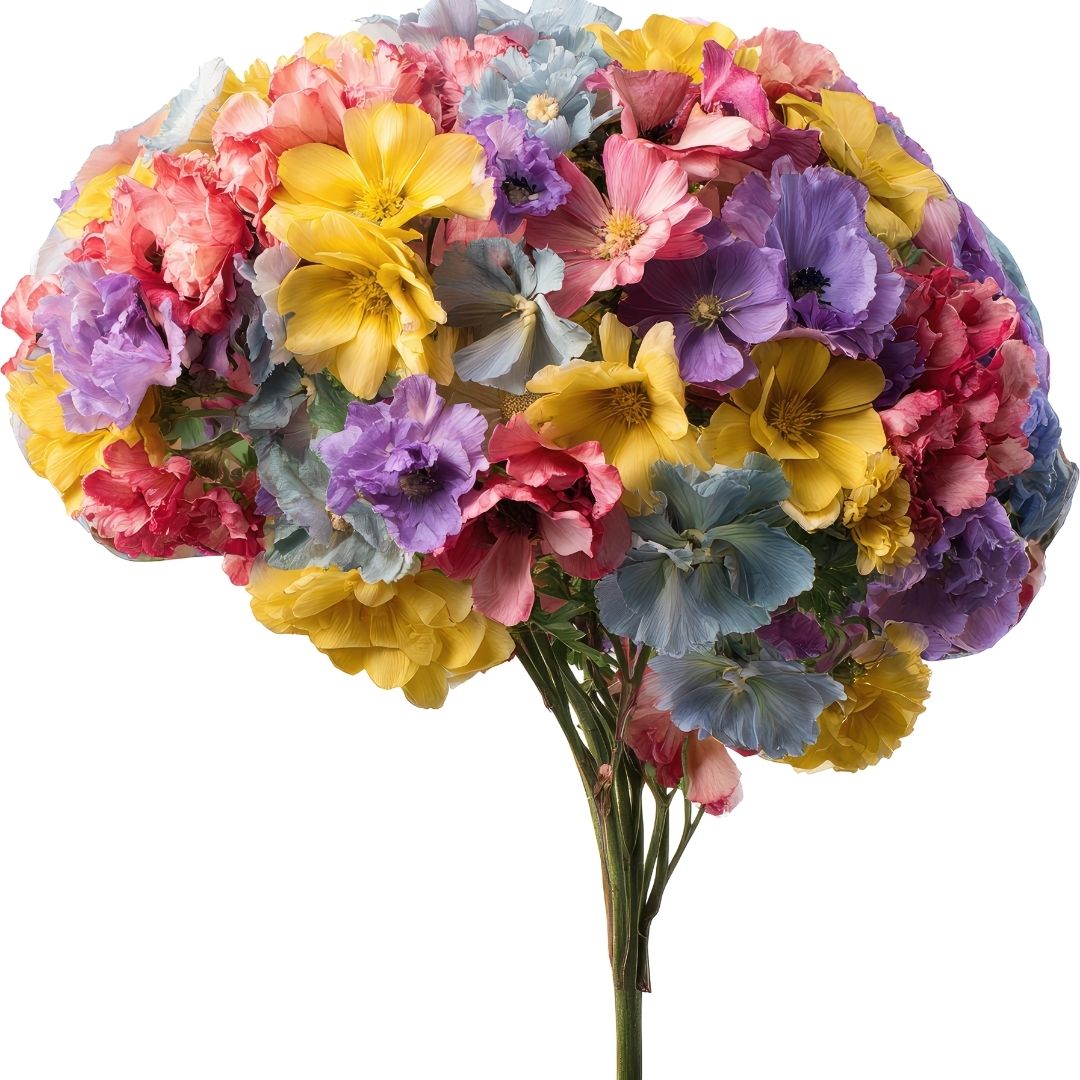
Flower brain

Brain fuel: concentration, memory, decision-making

When you're not eating enough, your concentration, memory and cognitive processing suffer. You might sit down to work and find your mind drifting. Memory falters—you struggle to follow conversations or remember things you normally would. Decision-making becomes harder too. Your brain needs adequate fuel to do its job, and right now, many women are running on empty.
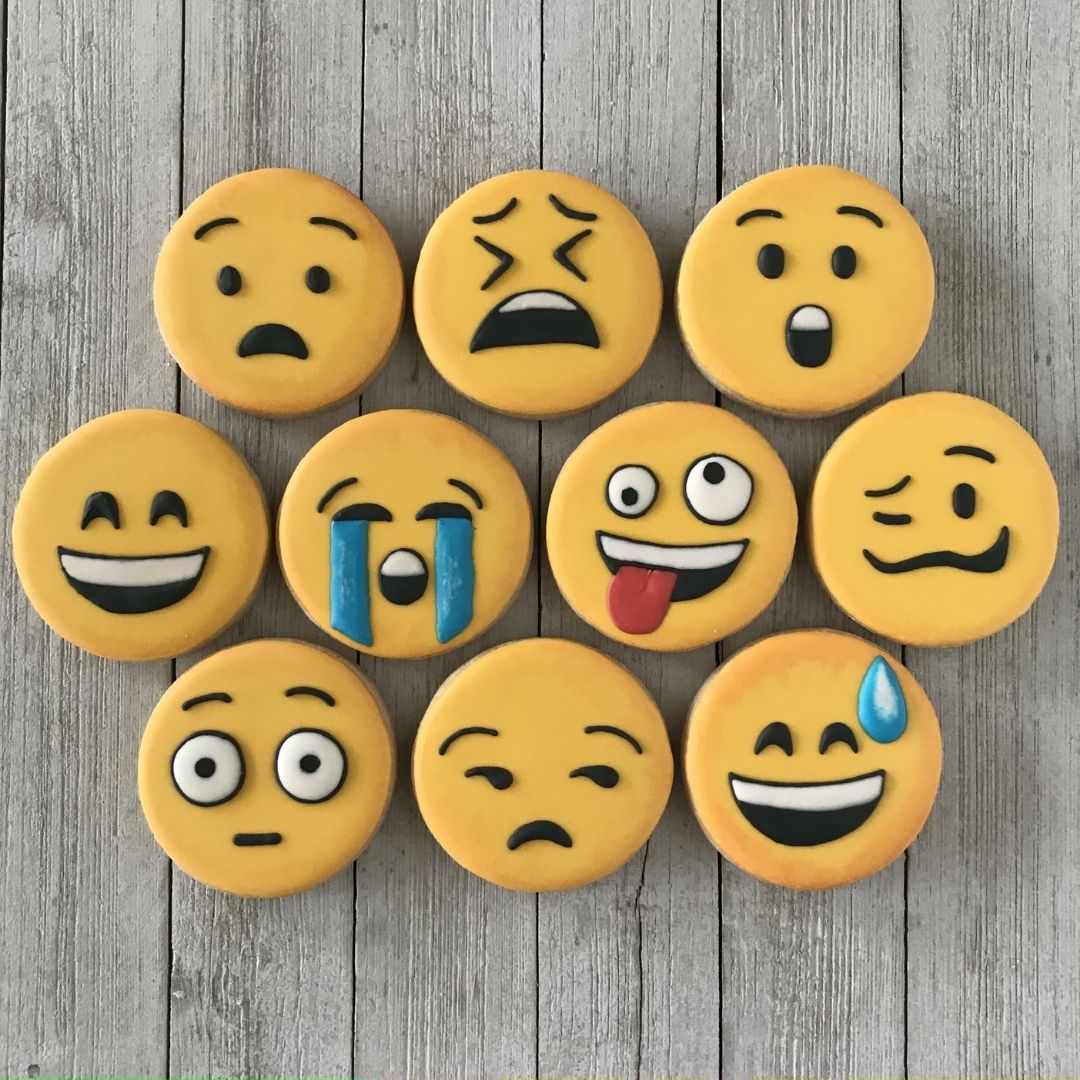
Mood fuel: energy for emotional regulation

Under-fuelling affects how you feel emotionally. If you’re not eating adequately, you might notice you're more irritable, tearful, or reactive than usual. This is not a personal failing - it's biochemistry. Your brain needs adequate fuel to produce the neurochemicals that help you stay calm, and to find perspective. When you're not eating enough, emotional regulation becomes a real struggle.
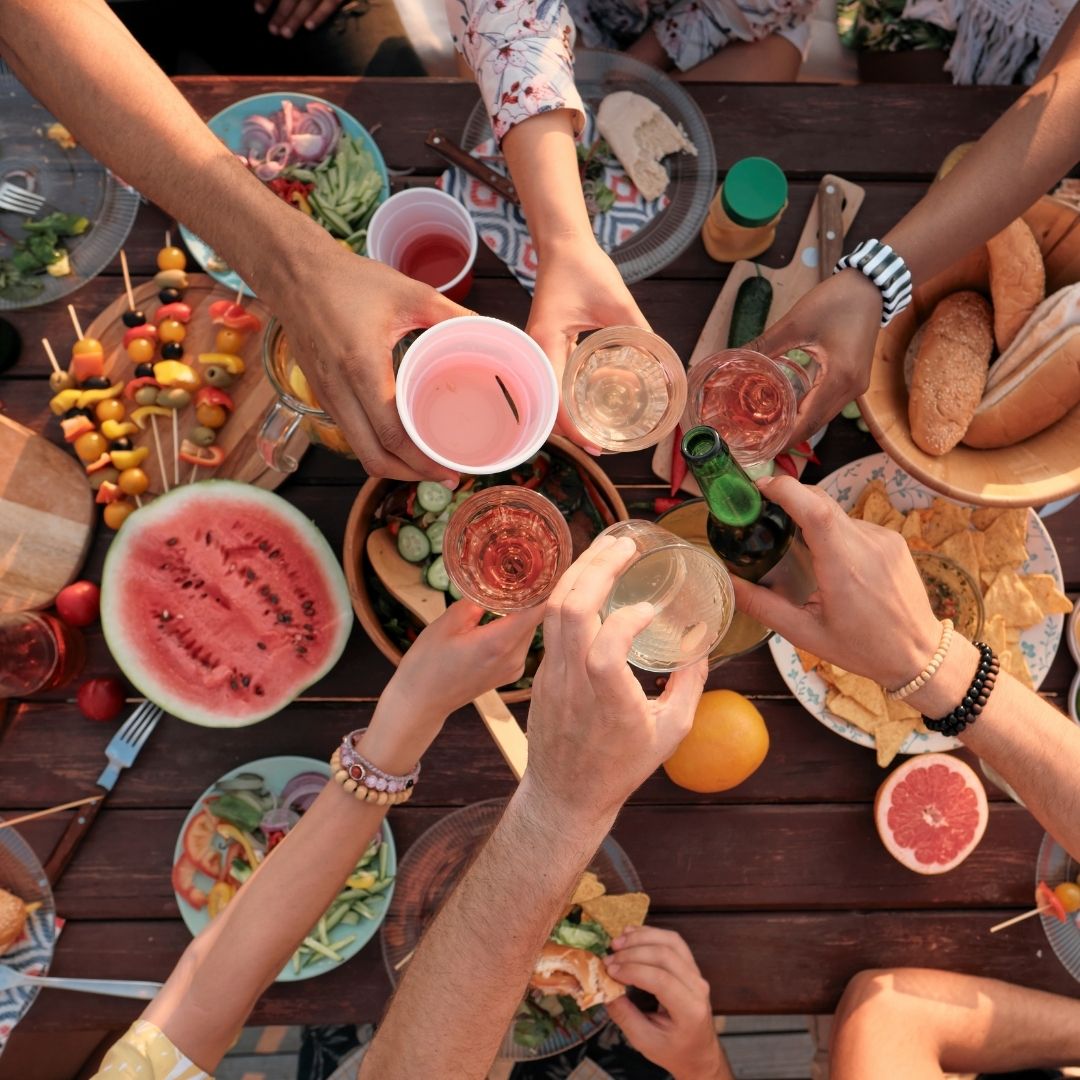
Social meal

Social fuel: connection, celebration, and shared meals

Food is a powerful source of connection. Sharing a meal, celebrating with people you care about, spending time with people over food. When we restrict eating, we often restrict these moments too. Eating with others - really being present at the table - can be deeply nourishing for our mental health. Saying yes to shared meals means showing up and letting yourself be nourished by both food and company in those occasions.
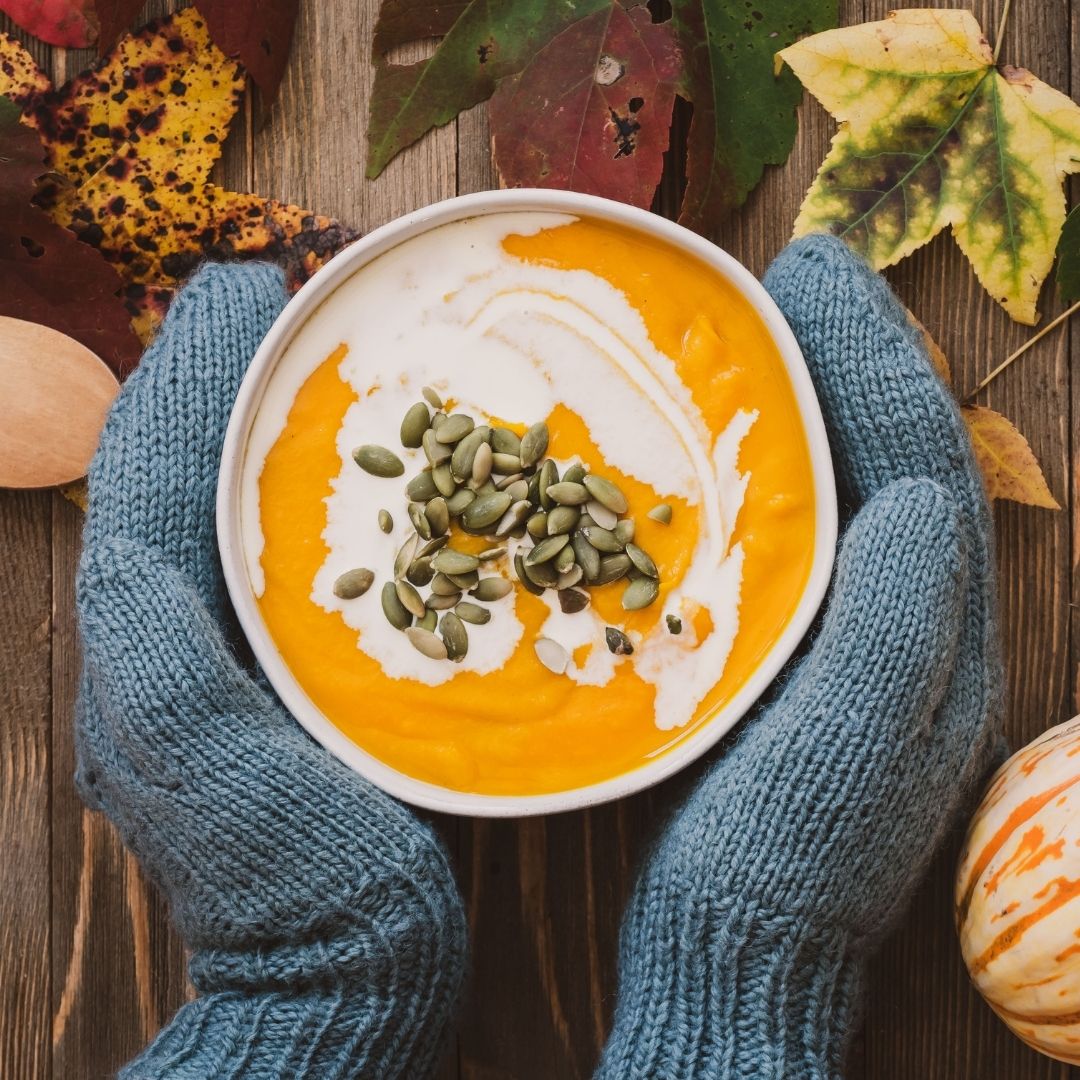
Comfort food

Comfort fuel: familiarity, soothing, self-care

Comfort food matters. A bowl of soup, toast with butter, your mother's recipe - these aren't ‘bad’ foods. They're part of how we care for ourselves. These foods signal to your nervous system that you're safe and deserving of nourishment and care. Fuelling yourself well includes permission to eat the foods that soothe you.
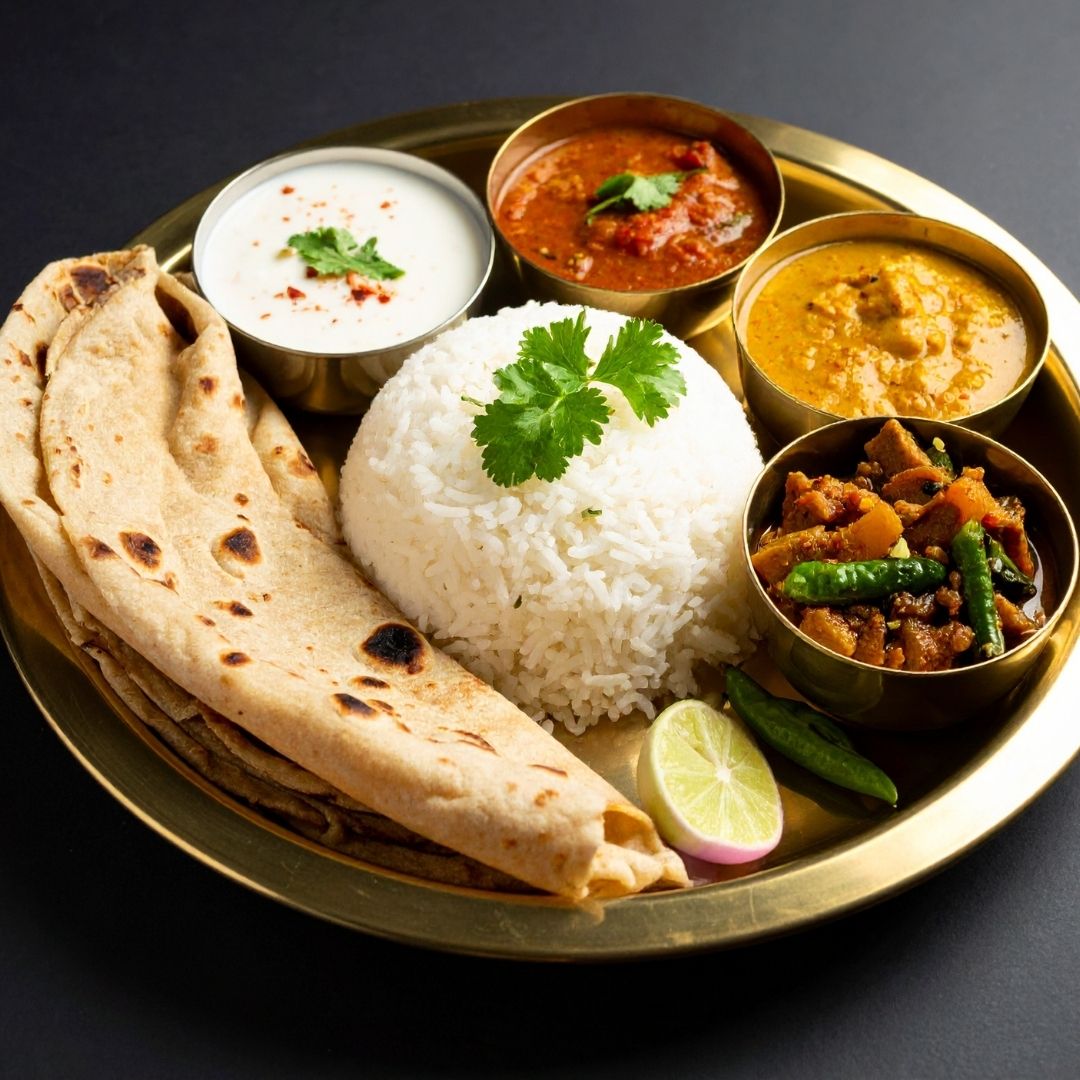
Cultural fuel: heritage, tradition, and identity

Food carries stories. The meals you grew up with, the flavours of your culture - these are part of who you are. When we restrict food, we sometimes distance ourselves from our heritage and community. Fuelling yourself can be a way of honouring your cultural traditions through the act of nourishing yourself and your family.

Food pleasure

Joy fuel: taste, pleasure, and satisfaction

Food is meant to taste good, and it's meant to bring pleasure. Yet diet culture tells us that if something tastes really good, it's probably "bad". This kind of thinking is harmful. Pleasure matters. Satisfaction matters. True nourishment includes joy - eating foods you find pleasurable, finishing a meal feeling satisfied, and giving yourself permission to enjoy food without guilt.

Fuel is not just one thing – it’s many things

When we think about fuelling our bodies, it’s not just about filling the tank. It’s about feeding your brain so you can think clearly and make good decisions. It’s about nourishing your nervous system so you can regulate your emotions and show up to the people you care about. It’s about honouring your culture, sharing meals with the people you love, and giving yourself permission to enjoy food without guilt. It’s about pleasure, comfort, connection, and joy. Every one of these dimensions matters.
This Women’s Health Week, we’re inviting you to re-fuel

The cultural message that thinner is better, that restriction is virtuous, that your body should be as small as possible – that message is loud and it’s everywhere right now. It’s also deeply harmful. This week, we’re suggesting something that seems to have become kind of radical: to eat enough to meet your own personal needs. To challenge the voices – both outside and inside your own mind – telling you your body should be smaller. To choose nourishment over restriction, pleasure over punishment, connection over control.

If you’d like support on this journey, our team of Dietitians and Psychologists are here. We work with women every day who are reclaiming their relationship with food and their bodies. Reach out if we can help.

Subscribe to the Mind Body Well Newsletter

* indicates required